
Subscription services offer gamers wide access to many games for a monthly fee, while game ownership provides permanent access and control; the best choice depends on individual gaming habits, budget, and preferences for flexibility or long-term access.
Subscription Services vs. Game Ownership: What’s Better for Gamers often sparks debates among players. Have you ever wondered which option really fits your style and wallet better? Let’s dive into what each brings to the table and how it might change your gaming experience.
understanding subscription services in gaming
Subscription services in gaming have become a popular way for players to access a wide range of titles without buying each game individually. Services like Xbox Game Pass, PlayStation Now, and Nintendo Switch Online offer gamers unlimited play for a monthly fee. These platforms provide convenience and variety, allowing players to explore new genres and titles they might not try otherwise.
How subscription services work
Typically, subscribers pay a fixed monthly price to access a library of games. The content varies, ranging from classic games to new releases. Depending on the service, some titles are available to download and play offline, while others require an internet connection.
Advantages of subscription gaming
Subscription services offer considerable benefits. They reduce the upfront cost of gaming, giving players more freedom to try different games without commitment. They also receive regular updates with new games added often, keeping the experience fresh. Moreover, some services include perks like exclusive discounts or early access to titles.
Limitations to consider
While subscriptions can be cost-effective, they come with drawbacks. Access to games stops if the subscription ends. Players don’t own the games, which may concern collectors. Additionally, some new releases might not appear immediately on these platforms, limiting access to fresh content.
Overall, subscription services offer a flexible and affordable way to enjoy many games but may not satisfy those who prefer owning their copies.
the appeal of game ownership

Game ownership means having a personal copy of a game, whether physical or digital, that you can play anytime without restrictions. Many gamers value ownership because it offers a sense of permanence and control. Owning your games means you can keep them for years, sell or trade them, and enjoy them without needing an active internet connection or subscription.
Benefits of owning games
When you own a game, you often have unrestricted access to all its features. You can install and reinstall it at will, and some physical copies come with collector’s editions or exclusive content. Ownership also allows for more customization, such as modding on PC, where players can enhance or change game elements.
Psychological and sentimental value
For many, physical copies serve as collectibles, reminding them of their gaming journey and favorite moments. Having a tangible game collection appeals to nostalgia and pride, making ownership emotionally rewarding beyond just playing.
Limitations of ownership
However, owning games can be costly, especially for new titles. It requires storage space and sometimes frequent updates or patches. Digital ownership is sometimes affected by platform restrictions, and physical discs can get damaged or lost.
Ultimately, game ownership offers freedom and long-term access, appealing to gamers who prefer to build and maintain a personal library.
cost analysis: subscriptions vs ownership
When deciding between subscription services and game ownership, cost is a major factor to consider. Subscriptions usually involve a fixed monthly fee that grants access to a large library of games. This can be economical for gamers who play many different titles in a short time. For example, paying $15 a month for access to hundreds of games may cost less than buying three new games individually.
Subscription cost advantages
Subscriptions offer predictable spending, which helps with budgeting. Many platforms add new games regularly, so players get fresh content without extra costs. Additional bonuses like discounts on purchases can add value over time.
Costs of owning games
Owning games requires upfront payment, which can be high for new releases. However, owning a game means no recurring fees. Over time, owning a smaller number of games may be cheaper if you play these titles repeatedly.
Long-term financial considerations
Subscription costs accumulate, so long-term subscribers might pay more than the price of owning a few favorite games. Plus, if the subscription ends, access is lost. Ownership provides permanent access but can involve delayed savings through sales or buying used copies.
Ultimately, understanding your gaming habits and preferences is key to finding the most cost-effective option.
flexibility and access: what gamers really want

When it comes to gaming, flexibility and access are among the top priorities for players. Gamers want the freedom to play their favorite titles anytime, anywhere, and on different devices. Subscription services often excel here, offering a wide library accessible on consoles, PCs, and sometimes mobile devices.
Flexibility in device and location
Subscription platforms allow gamers to switch between devices easily. You can start a game on your console and continue on your PC or even a mobile device. This seamless experience suits players who travel or prefer gaming across multiple setups.
Instant access to varied content
Access is another factor: subscription services provide instant entry to a vast catalog without needing to download or purchase each game separately. This suits players eager to try new genres or titles without financial risk.
Ownership and offline play
However, owning games also offers unrestricted access without worrying about subscription expiration. Physical copies or fully purchased digital games let you play offline anytime. This is crucial for gamers with limited internet access or those who prefer long-term access to specific titles.
Balancing flexibility and access depends on personal gaming habits and priorities, but understanding what you truly need helps make the best choice.
future trends impacting gamers’ choices
Emerging trends are shaping how gamers decide between subscription services and owning games. Cloud gaming is one such trend, allowing players to stream games without the need for powerful hardware. This technology could make subscriptions even more attractive by offering instant access to titles anywhere.
Growth of cloud gaming
Cloud platforms like Google Stadia and NVIDIA GeForce Now reduce hardware barriers, making gaming more accessible. This shift favors subscription models that bundle cloud games in their libraries, providing gamers with convenience and flexibility.
Expansion of subscription models
Subscription services continue to evolve, adding exclusive games and partnerships. We may see more hybrid options, blending ownership and subscription benefits. Gamers will have increased choices tailored to their preferences and budgets.
Impact of virtual reality and new technologies
Virtual reality (VR) and augmented reality (AR) are gaining ground, adding immersive experiences. These trends may influence how games are distributed and accessed, potentially prompting new business models that blend ownership and subscriptions.
Keeping an eye on these innovations helps gamers make informed decisions that best suit their evolving needs and enjoyment.
Which option suits gamers best?
The choice between subscription services and game ownership depends on individual preferences and gaming habits. Subscriptions offer great value and flexibility for those who want to explore many games without a large upfront cost.
On the other hand, owning games provides permanent access and control, appealing to collectors and those who prefer offline play. With new trends like cloud gaming and VR emerging, gamers have more options than ever.
Evaluating your gaming style and budget will help you find the best fit for a rewarding experience.
FAQ – Subscription Services vs. Game Ownership: What Gamers Need to Know
What are subscription services in gaming?
Subscription services allow gamers to access a large library of games for a fixed monthly fee, offering convenience and variety without owning individual titles.
What are the benefits of owning games?
Owning games provides permanent access, the ability to play offline, and often offers collectibles or special editions that subscription services don’t provide.
Which option is more cost-effective: subscriptions or ownership?
Subscriptions can be cost-effective for gamers who play many different titles often, while ownership may be cheaper for those who stick to a few favorite games long-term.
Can I play subscription games offline?
It depends on the service. Some subscription platforms allow offline play for downloaded games, but others require an internet connection.
How is cloud gaming affecting gamers’ choices?
Cloud gaming enables playing high-quality games on various devices without powerful hardware, making subscriptions more attractive for flexible, on-the-go gaming.
What should I consider when choosing between subscription and ownership?
Consider your gaming habits, budget, desire for ownership, need for offline play, and interest in exploring new games when choosing the best option for you.

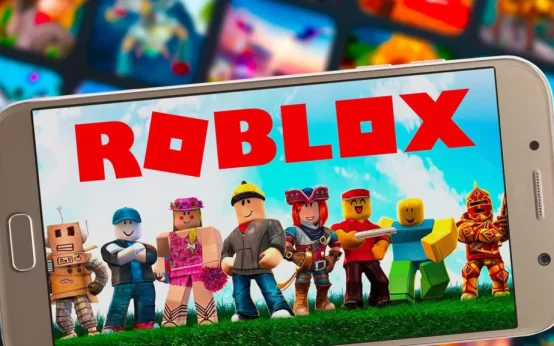 Cómo Ganar Robux en Roblox: Guía Completa🎮 <p class='sec-title' style='line-height: normal; font-weight: normal;font-size: 16px !important; text-align: left;margin-top: 8px;margin-bottom: 0px !important;'>Descubre en esta guía paso a paso cómo conseguir Robux legalmente, utilizando solo métodos oficiales y mantendo tu cuenta 100% protegida</p>
 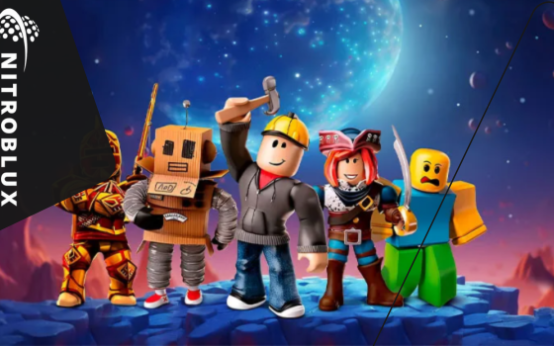 ¿Robux en Roblox Sin Riesgos? Aprende Cómo Ganar de Forma Correcta <p class='sec-title' style='line-height: normal; font-weight: normal;font-size: 16px !important; text-align: left;margin-top: 8px;margin-bottom: 0px !important;'>Entiende el sistema, evita trampas y utiliza los métodos oficiales.</p>
 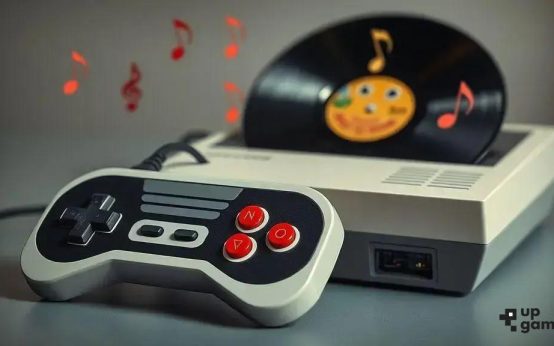 Best Game Soundtracks of All Time that Will Take You Back in Seconds